
A graphic tee can tell you more about a moment in time than most news articles. What someone wears to a concert, a protest, or just a Tuesday afternoon often reflects exactly what they’re watching, sharing, debating, or laughing at online. This article breaks down what separates pop culture tees from other graphic shirts, then traces how political movements, viral memes, and fast-moving internet humor have all found their way onto cotton and screen-printed ink.
What Makes Pop Culture Graphic T-Shirts Different From Geek Tees
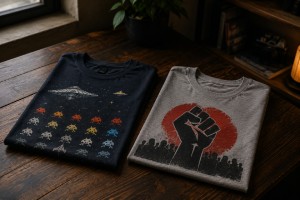
There is rain between the words. Geeks shirts are in a whole different language – an old Atari logo or a specific reference, D&D, or just a quote from some sci-fi series appreciated only by true fans. An appreciation of such T-shirts is more than an insider’s acknowledgment – it signifies existence within a particular culture or group.
Pop culture tees have a slightly different function: They rely on pop references that everybody knows: a viral phrase, something stupid said by a celebrity, or a political slogan that became the catchphrase of a news cycle. Image all the “Nevertheless, She Persisted’ shirts seen protesting after an event in the 2017 Senate-the wearer didn’t need to be a fan, just be aware of a significant current event.
This is what makes them so widespread. The designs are very much “oh-my-time” and immediate, current but throwaway, more social commentary with your top.
When Political T-Shirts Become Cultural Commentary
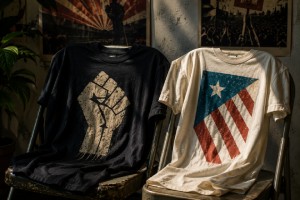
Few objects carry a political statement as efficiently as a cotton shirt. When Shepard Fairey’s “Hope” poster surfaced during Barack Obama’s 2008 campaign, its bold red, white, and blue graphic and single-word message almost immediately jumped from street art to screen-printed apparel worn at rallies across the country. The design worked because it was emotionally simple and visually unforgettable.
That moment set a template still followed today. Campaign slogans, protest phrases, and activist imagery regularly migrate onto T-shirts because wearing a message makes it mobile and personal. A shirt at a march reaches every bystander on the route.
There’s no denying that political tees function differently from ordinary graphic apparel. They signal belonging, broadcast values, and invite conversation. Sometimes confrontation. That dual role is exactly what makes them such a durable form of wearable commentary.
How Memes and Internet Humor Moved From Screens to Shirts
Before social media, a joke had to travel slowly to reach a mass audience. Now a reaction image can become a cultural shorthand overnight, and the T-shirt industry noticed. Designs built around catchphrases like “This Is Fine” or the distracted boyfriend meme moved from Reddit threads to fast-fashion racks within weeks of going viral, riding the same algorithm-driven momentum that made them famous online.
There’s no denying the appeal is partly about belonging. Wearing a Doge meme shirt in 2013 signaled you were chronically online before that was mainstream. The joke landed because it felt insider-made.
That tension is real, though. Once Target stocks the reference, the original community often moves on. Niche humor scales into mass-market product, and somewhere in that process, the wink gets lost.
Pop Culture Tees Capture the Mood of the Moment
Pop culture graphic tees, unlike geek tees, are more of a reaction to authentic public moments that everyone seemed keen to live through, like a movement, a super-viral joke, or a cultural flashpoint. From Shepard Fairey’s “Hope,” we learn how much work a single design can do in real politics, while meme t-shirts, in the span of an hour or two, show us that niche internet humor can hardly remain so and that niche can overnight be embraced by mass fashion. In addition to high-fashion dress, all these garments seem to do something very few pieces of clothing do: they allow the beholder to visually evince exactly where they stood during a specific moment in time. That’s why they remain. You’re not merely wearing an image: you’re wearing a moment.