
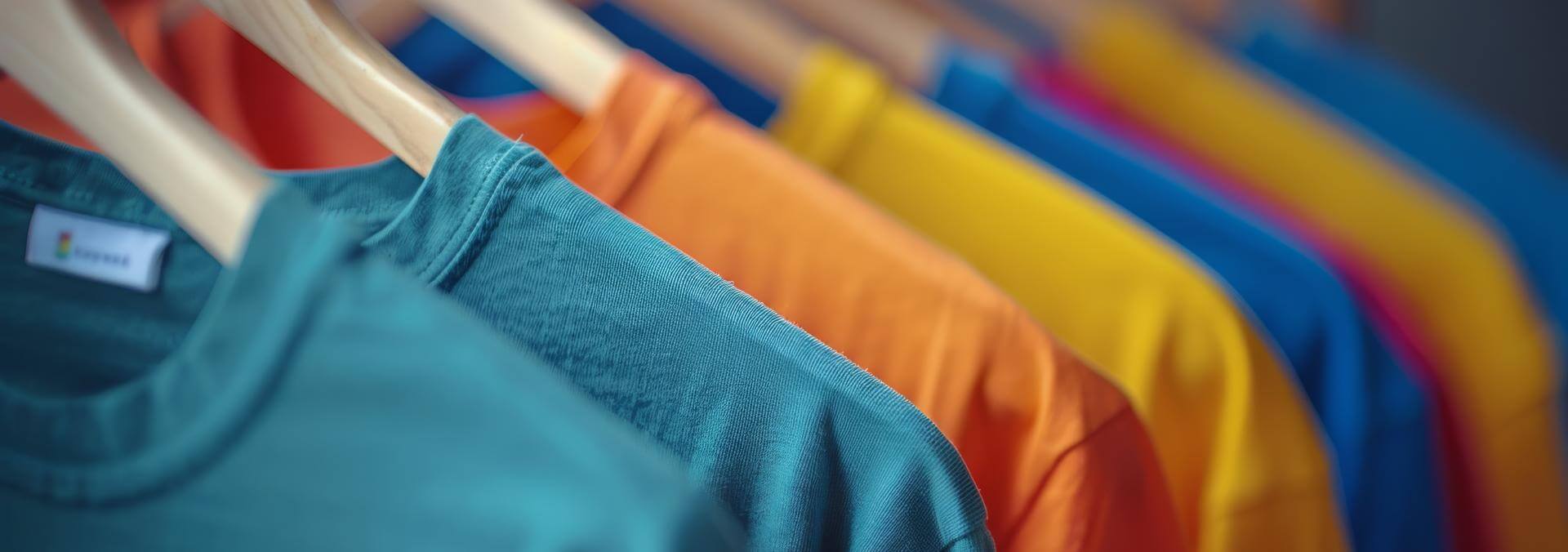
A faded cotton T-shirt shouldn’t sell for $500. And yet, a worn 1994 Nirvana concert tee regularly does exactly that. Graphic T-shirts have quietly become one of the more surprising corners of the collector’s market, carrying cultural weight that far exceeds their original price tag. Scarcity, nostalgia, and the rise of resale platforms like Grailed and Depop transformed certain tees into genuine artifacts. This article examines how cultural meaning, limited production, and a thriving secondary market turned the humble graphic tee into something people actively hunt and pay serious money to own.
How Graphic Tees Became Objects of Desire
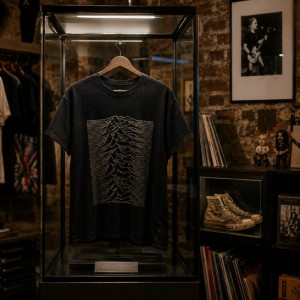
Most clothes last for a few washings and pretty soon become no more than just a casual purchaser no longer. A tiny amount of tees, however, take a different path from being cast into a drawer deep within the abyss, instead secure a place inside a display case or clamshell and move all the way up to the auction block.
The turning point is reached when the need is no longer for just any type of tee. Generally, being able to say it’s made as part of a limited production run is the first catalyst. With demand swelling aside the minuscule production, the tee that was initially bought as a $25 show souvenir pretty soon starts to look right at home in someone’s investment portfolio, even though it can’t really be anything short of regret in the cashmere bag that was brought to a permanent auction block!
But timing is everything in cultural terms. A 1979 Joy Division tee isn’t only a frail piece of cloth; it symbolizes a once-in-a-lifetime moment. The same goes for tees with smallish runs attributed to heavyweight designers such as Vivienne Westwood, whose early punk-era designs are attracting serious collector attention.
Is there good reason to agree that once a tee begins to represent a movement or era beyond mere advertising, an entire change occurs in how it is valued?
From Vintage Band Merch to Internet-Era Drop Culture
Band merchandise was the original collector’s market, long before anyone used that phrase. A faded Metallica shirt from the 1984 “Ride the Lightning” tour can sell for $400 or more today, and the wear and cracking print actually help. Authenticity is the point. These shirts weren’t made to last decades; the fact that they did, and that someone wore them, is exactly what gives them weight.
The internet didn’t change that logic. It accelerated it. Sites like TeeFury pioneered 24-hour sales windows around 2008, making scarcity a feature rather than a limitation. A design available for one day, then gone forever, created immediate collector demand. Limited drops became a genre of their own. The audience expanded from record store regulars to anyone with a browser, but the pull remained the same: get it now, or never.
What Gives a Graphic Tee Real Collector Value
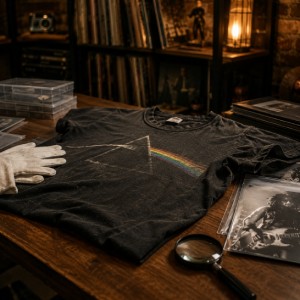
Four factors consistently drive price in the graphic tee market: rarity, condition, cultural significance, and provenance. Each one matters, but they rarely operate in isolation.
Rarity can come from age, a limited print run, or a shirt tied to a single event that was never restocked. A 1977 Star Wars T-shirt, produced before the film became a cultural phenomenon, exists in tiny numbers simply because nobody knew to save them. That scarcity alone makes surviving examples worth serious money.
Condition affects value but works differently in vintage markets. A faded, cracked print on an original concert tee can read as authenticity rather than damage, whereas a modern limited-drop shirt with stains loses appeal fast.
Cultural significance elevates shirts connected to landmark moments – a scene, a movement, a film. Provenance seals it. When a shirt’s origin or ownership is verifiable, buyers pay a premium. Platforms like eBay, Depop, and Grailed are where these factors meet real pricing, tested publicly against what collectors will actually spend.
A Graphic Tee Can Hold Real Cultural Worth
Rarely do fashion, memory, fandom, and market forces intersect so gracefully as they do in the physical form of a simple cotton poo. From a washed-out Star Wars T-shirt of 1977, a Metallica Black Album-era tour shirt, all the way to a TeeFury drop that went out of stock in less than a day-the value is indeed in what it witnessed and what it still has since expressed. Rarity is one factor. Equally important is the story. They survive in that they freeze in time some moment people still desire to own, wear, and keep alive. The bid begins now for both collectors and casual collectors, as there is some small ghost of existence that holds interest over the long haul beyond any cyclical trend of popularity. The resale market confirms what fans have felt all along: some graphic tees can be everything about fashion accessories. They can actually function as artifacts.